OpenAI Training Data to Be Inspected in Authors’ Copyright Cases
At a secure room in its San Francisco office, representatives for authors suing OpenAI will examine materials that were used to train its AI system. They allege copyrighted works were utilized without their consent or compensation.
For the first time, OpenAI will provide access to its training data for review of whether copyrighted works were used to power its technology.
In a Tuesday filing, authors suing the Sam Altman-led firm and OpenAI indicated that they came to terms on protocols for inspection of the information. They’ll seek details related to the incorporation of their works in training datasets, which could be a battleground in the case that may help establish guardrails for the creation of automated chatbots.
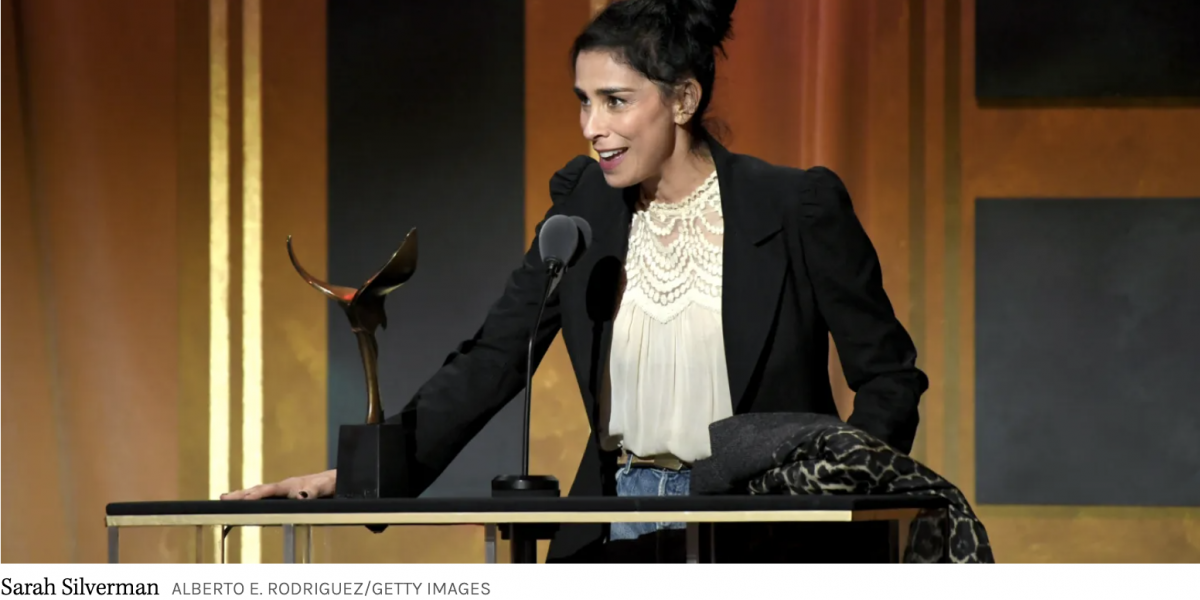
The agreement stems from a trio of lawsuits initiated by top authors, including Sarah Silverman, Paul Tremblay and Ta-Nehisi Coates, accusing OpenAI of harvesting mass quantities of books across the web, which were then allegedly used to produce infringing answers by ChatGPT. It comes after the court in July dismissed a claim alleging that the company engaged in unfair business practices by utilizing their works without consent or compensation. Previously, U.S. District Judge Araceli Martínez-Olguín also tossed other claims for negligence, unjust enrichment and vicarious copyright infringement, though the writers’ claim for direct copyright infringement remained untouched.